
Remember when anyone with a spare bedroom and a halfway-decent camera could turn an Airbnb listing into a little cash machine? Yeah, that era’s over. Vacation rental investing in 2025 looks nothing like the pandemic gold rush. Interest rates climbed, cities cracked down, and a flood of new listings washed into the market. All of that has reshaped the math for short-term rental profitability, whether you’re looking at a beach town condo or a place in some Sun Belt metro.
But dead? No. The strategy isn’t dead. It’s just that it now rewards research over enthusiasm, which honestly is a healthier place for it to be.
So let me walk you through where this still works, where it absolutely doesn’t, and how to size up a market before you sink money into it. Doesn’t matter if you’re a nervous first-timer eyeing a coastal condo or a veteran shuffling your portfolio. The job’s the same: tell the deals apart from the traps.
Table of Contents
- What Is Vacation Rental Investing in 2025?
- Is Vacation Rental Investing Still Profitable in 2025?
- How Have Short-Term Rental Regulations Changed the Landscape?
- Is the Vacation Rental Market Oversaturated?
- What Costs Eat Into Short-Term Rental Profitability?
- Long-Term vs. Short-Term vs. Hybrid: Comparing Rental Strategies
- How Do You Vet a Vacation Rental Market Before Buying?
- Frequently Asked Questions
What Is Vacation Rental Investing in 2025?
Vacation rental investing means buying a residential property specifically to rent it out to travelers by the night or the week, usually through Airbnb or Vrbo, instead of leasing it to some long-term tenant. That’s the whole concept. What’s changed is everything around it.
The wild-west phase is done. These days the whole thing runs under a messy patchwork of city and county ordinances, permit requirements, and tax rules that swing wildly depending on which street the property sits on. I’m not exaggerating. Two houses a mile apart can be governed by completely different rules.
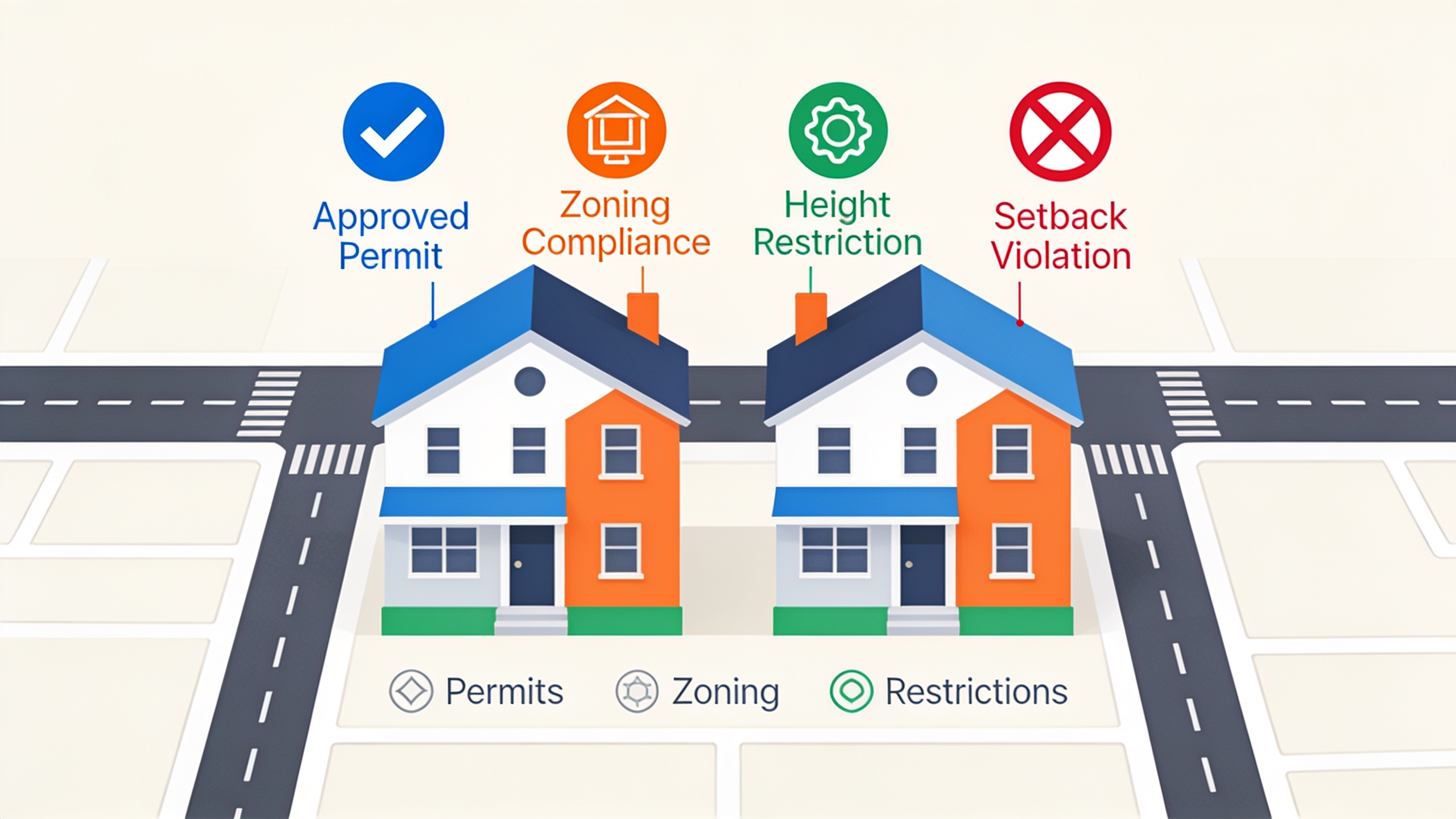
The appeal itself hasn’t budged, though. Nightly rates in tourist-heavy spots can pull in a lot more per month than a boring 12-month lease, especially when peak season hits. But the amount of homework you’ve got to do before that appeal turns into actual money in your pocket? That’s gone way up. A property that would’ve been a no-brainer buy in 2019 might now need a special-use permit, a cap on how many nights you can rent it, or some entirely different ownership setup just to legally operate.
Is Vacation Rental Investing Still Profitable in 2025?
Yes, vacation rental investing can still be profitable in 2025. But the margin for error has gotten a lot thinner than it was five years ago, and that’s the part people don’t want to hear.
Whether you make money now hinges on three things, really: how stable the local regulations are, how much competing inventory already exists in your specific little corner of the market, and whether you actually budgeted honestly for the higher operating costs that come with hosting strangers instead of a tenant who signs a lease and disappears for a year.
The properties still doing well tend to share a handful of traits. They sit in destinations with durable, non-seasonal demand, a university, a hospital system, some year-round outdoor draw that keeps people coming when the weather turns. They’re managed with genuine attention to the guest experience, whether by a pro or a hands-on owner. And they were bought with realistic math, not with the fantasy numbers a listing site’s revenue estimator spits out to make you feel good.
That last point is worth sitting with. AirDNA, one of the big data platforms in this space, has documented that average daily rates and occupancy in a lot of previously red-hot markets have cooled off from their 2021-2022 peaks as supply finally caught up to demand. So if somebody bought based on those older peak numbers? They’re often staring at disappointing performance right now and scratching their heads about why.
Which is exactly why underwriting discipline beats location every single time. Before you commit a dime, it’s worth going through 10 Questions to Ask Before Buying an Investment Property, because most of the mistakes that torpedo vacation rental deals, underestimating turnover, ignoring HOA rules, skipping the rental-history review, are the same ones that sink any rental purchase. The short-term model just amplifies them, thanks to those thinner margins.
How Have Short-Term Rental Regulations Changed the Landscape?
Regulations are the single biggest thing separating a profitable vacation rental market from a landmine in 2025. Full stop. Cities and counties have spent the last few years responding to housing-affordability panic and cranky neighbors by tightening permits, capping rental days, or just banning short-term rentals in certain zones outright.
New York City is the poster child here. Local Law 18, which kicked in back in September 2023, made hosts register with the city and basically killed whole-home rentals under 30 days unless the host actually stays on-site. That pushed a huge chunk of the city’s Airbnb inventory off the map practically overnight. Dallas went a different direction, restricting short-term rentals in residential zones, which shoved operators toward commercially zoned areas or the suburbs. Plenty of other towns landed somewhere in the middle, demanding annual permits, occupancy limits, and minimum-stay rules instead of a flat ban.
Here’s what all that means for you as an investor: regulatory risk deserves the same serious underwriting you’d give interest rates or vacancy. A property that cash-flows like a dream today can turn into a forced long-term rental, or an asset you can’t sell for what you paid, the moment a city council votes to restrict permits next spring. So before you buy, call the actual planning department. Not the seller. Not the listing agent. Confirm the parcel is zoned for short-term use, that permits are still being issued (some cities have frozen new ones entirely), and whether there’s a hard cap on how many licenses even exist in that jurisdiction.
Is the Vacation Rental Market Oversaturated?
In a lot of the popular tourist spots? Yeah, honestly, it is. Vacation rental inventory has grown faster than demand in a bunch of markets, which has squeezed nightly rates and dragged down occupancy for individual listings, even while overall travel spending has stayed strong. Saturation happens when there are more listings than there are travelers willing to book them, and hosts end up fighting each other on price and amenities just to stay full.
You saw this play out in real time in mountain towns, beach communities, and Sun Belt metros that got slammed with investor purchases between 2020 and 2022. As more owners flipped single-family homes and condos into nightly rentals, the average booking share per listing dropped in some of these areas even as total travel demand kept climbing. And that distinction really matters. The vacation rental market overall isn’t shrinking. The pie is just getting cut into way more slices than it used to be.
So the practical takeaway is a little counterintuitive: the “hot” destinations that show up in every generic best-places-to-invest listicle are usually the most saturated, not the most promising. The people still pulling solid returns in 2025 are looking one tier down. Secondary markets near a big attraction. Up-and-coming lake towns. Places with a strong but quieter visitor base that nobody’s blogging about yet. Finding those gaps is really a data exercise, and How Real Estate Investors Use Data to Pick Profitable Markets digs into the metrics, occupancy trends, revenue per available rental, permit availability, that tell you whether a market is genuinely underserved or just quiet because nobody ever wanted to go there in the first place.
What Costs Eat Into Short-Term Rental Profitability?
Profitability comes down way less to your headline nightly rate and way more to how well you control the operating costs that are unique to hosting travelers. First-time buyers underestimate these constantly. It’s the whole reason two properties with identical purchase prices and similar gross income can spit out totally different net returns.
Cleaning and turnover is the obvious one. A short-term rental averaging two or three nights per stay might turn over 100+ times a year. Every single turnover means a professional clean, laundry, restocking the shampoo and coffee and whatever else. Compare that to a long-term rental that turns over maybe once every year or two. Management fees run higher too, because a short-term manager is juggling guest messages, dynamic pricing, and cleaner coordination almost daily instead of handling one lease renewal a year.

Then there’s upkeep, which matters more here than people expect because guest reviews are tied directly to how fresh the place looks, both in the listing photos and once someone walks in the door. Say you own a place in a market like the Twin Cities. You’d want to budget for a periodic refresh of the interior and exterior so your photos stay competitive and guests don’t leave disappointed. Bringing in an established local contractor like Minneapolis House Painting for a paint job is a pretty painless way to protect curb appeal and your ratings without gutting the place. And I’d argue that kind of routine work is a real line item, not an optional extra, because a tired-looking property quietly tanks your review scores and, eventually, your booking rates.
Insurance blindsides new investors too. Most standard homeowner or landlord policies flat-out exclude short-term rental use, so you typically need a specific short-term rental or commercial policy. Costs more, requires more disclosure. And don’t forget occupancy taxes, which tons of cities and counties now make hosts collect and remit, on top of the income tax you owe on the profit itself. Once you add all that up, the true cost structure of a vacation rental looks pretty different from a plain buy-and-hold.
Long-Term vs. Short-Term vs. Hybrid: Comparing Rental Strategies
Picking between a traditional long-term rental, a full-on vacation rental, and a hybrid model (short-term during peak season, long or mid-term the rest of the year) really comes down to how much income volatility, regulatory exposure, and hands-on management you’re willing to stomach. The table below lays out the three side by side across the stuff that actually moves the needle on profit.
| Factor | Long-Term Rental | Short-Term/Vacation Rental | Hybrid Model |
|---|---|---|---|
| Income potential per unit | Lower, but predictable | Highest ceiling, but volatile month to month | Moderate to high, smooths seasonal gaps |
| Regulatory risk | Low | High and rising in many cities | Moderate — depends on local mid-term rules |
| Management intensity | Low (annual lease cycle) | High (daily guest turnover, pricing, cleaning) | High during peak season, lower off-season |
| Vacancy risk | Tenant-dependent, generally stable | Seasonal, weather- and event-dependent | Reduced by shifting strategy by season |
| Financing options | Standard mortgage products widely available | Sometimes requires investment-property or commercial terms | Varies by lender and declared use |
| Best suited for | Investors wanting steady, low-touch cash flow | Investors in strong tourist markets willing to actively manage or hire a manager | Investors in seasonal destinations wanting flexibility |
None of these is universally “better,” and anyone who tells you otherwise is selling something. The right pick depends on the property’s location, the local ordinance, and how much active management you can tolerate before you start resenting the whole thing. A condo in a ski town with a killer winter and a dead summer, for example, is usually a much better fit for the hybrid model than a pure short-term play. Filling those summer months with a three- to six-month tenant beats chasing a handful of thin vacation bookings and watching the calendar sit empty.
How Do You Vet a Vacation Rental Market Before Buying?
Vetting a market means confirming three things before you ever make an offer: that short-term rentals are actually legal on that specific property, that real demand data backs up the income numbers you’ve been shown, and that the deal still works once you subtract honest operating costs. This is the step buyers skip when they fall in love with a listing photo or a shiny revenue estimate from some rental-arbitrage calculator.
Start with the legal question, because it overrides everything. Call the city or county yourself, not the seller, not the agent, and confirm the current zoning, permit availability, and whether there’s a moratorium on new licenses. Then pull actual performance data for comparable listings right in the immediate area, not city-wide averages. A single zip code can hold a saturated tourist strip and a quieter, better-performing pocket a few blocks over. Finally, run your numbers with conservative assumptions. Lower occupancy than the seller claims. Higher cleaning and management costs than whatever “typical” figure got quoted online. And a real maintenance reserve that accounts for all that guest wear and tear.
This is exactly the kind of discipline covered in How Real Estate Investors Use Data to Pick Profitable Markets, and I’d treat it as mandatory, not a nice-to-have. Regulatory and competitive conditions can flip from one submarket to the next inside the same city, so a little research here saves you from a lot of regret later.
Frequently Asked Questions
Should a total beginner even try vacation rental investing in 2025?
You can, but fair warning, it’s a steeper climb than a plain long-term rental. There’s more regulatory digging, higher operating costs, and a lot more active management. If you’re new, you’re almost always better off starting with one property in a market you can actually visit or manage closely, rather than buying sight-unseen in some far-off destination based on projected income and vibes.
Do I really need a special permit to run a short-term rental?
In most U.S. cities and counties, yep. Loads of places now require a registration or permit before you can legally list on Airbnb or Vrbo, and some cap the total number of permits or lock them to specific zoning districts. Requirements are all over the map, so you’ve got to confirm it directly with the local planning or licensing office before you buy. Don’t just assume you’re fine because the neighbors are doing it.
How does short-term rental income get taxed differently?
Short-term rental income still gets reported as rental income for federal purposes, but here’s the wrinkle: a lot of cities and counties also make hosts collect and remit lodging or occupancy taxes on every booking, kind of like a hotel does. The rates and rules depend entirely on your specific city and county, so a tax pro who actually knows short-term rental rules in that jurisdiction is worth every penny.
What’s the single biggest mistake new investors make?
Underwriting a purchase using the best-case revenue estimate from a listing platform’s built-in calculator, without ever stress-testing for lower occupancy, rising costs, or a surprise ordinance. A property that only cash-flows under perfect booking conditions has basically zero cushion. The second the market softens or the city changes the rules, you’re in trouble.
Condos or single-family homes, which is better for this?
Depends entirely on the HOA or condo association rules, which very often restrict or straight-up ban short-term rentals no matter what the city allows. Single-family homes usually give you more flexibility, but they cost more upfront and dump more maintenance on your plate. So it really comes down to that specific building’s rulebook and your budget.
Look, vacation rental investing in 2025 hasn’t vanished. It’s just grown up. The easy money from slapping a property online during a travel boom has mostly given way to a market that rewards people who do the boring homework: checking zoning before checking photos, budgeting for the real cost of turnover, and choosing markets based on data instead of name recognition. Put in that groundwork and short-term rentals can still be a genuinely strong piece of a real estate portfolio. It just demands a sharper eye than it did a few years back.
Leave a Reply