
Picking a real estate agent is honestly one of the biggest calls you’ll make while house hunting. It’s right up there with choosing your neighborhood or setting your budget, maybe more so. A good agent can save you weeks of pointless showings, shave thousands off a purchase price, and quietly steer you away from that “charming fixer-upper” that’s actually a money pit. A bad one? You’ll feel ignored, underinformed, and possibly watch a deal collapse because nobody flagged a financing problem until it was too late.
So this guide walks through what actually matters: what to look for, what to ask, and how to match an agent’s strengths to your situation. Doesn’t matter if you’re a nervous first-timer, an investor chasing yield, a family that’s outgrowing its space, or someone downsizing for retirement. There’s a right agent for each of you, and they’re not the same person.
Table of Contents
- Why This Decision Matters More Than You’d Guess
- How to Pick a Realtor: The Stuff You Have to Verify
- How Much Local Knowledge Should They Actually Have?
- Reading the Communication Style Before You Commit
- Questions Worth Asking Every Candidate
- Warning Signs You Shouldn’t Ignore
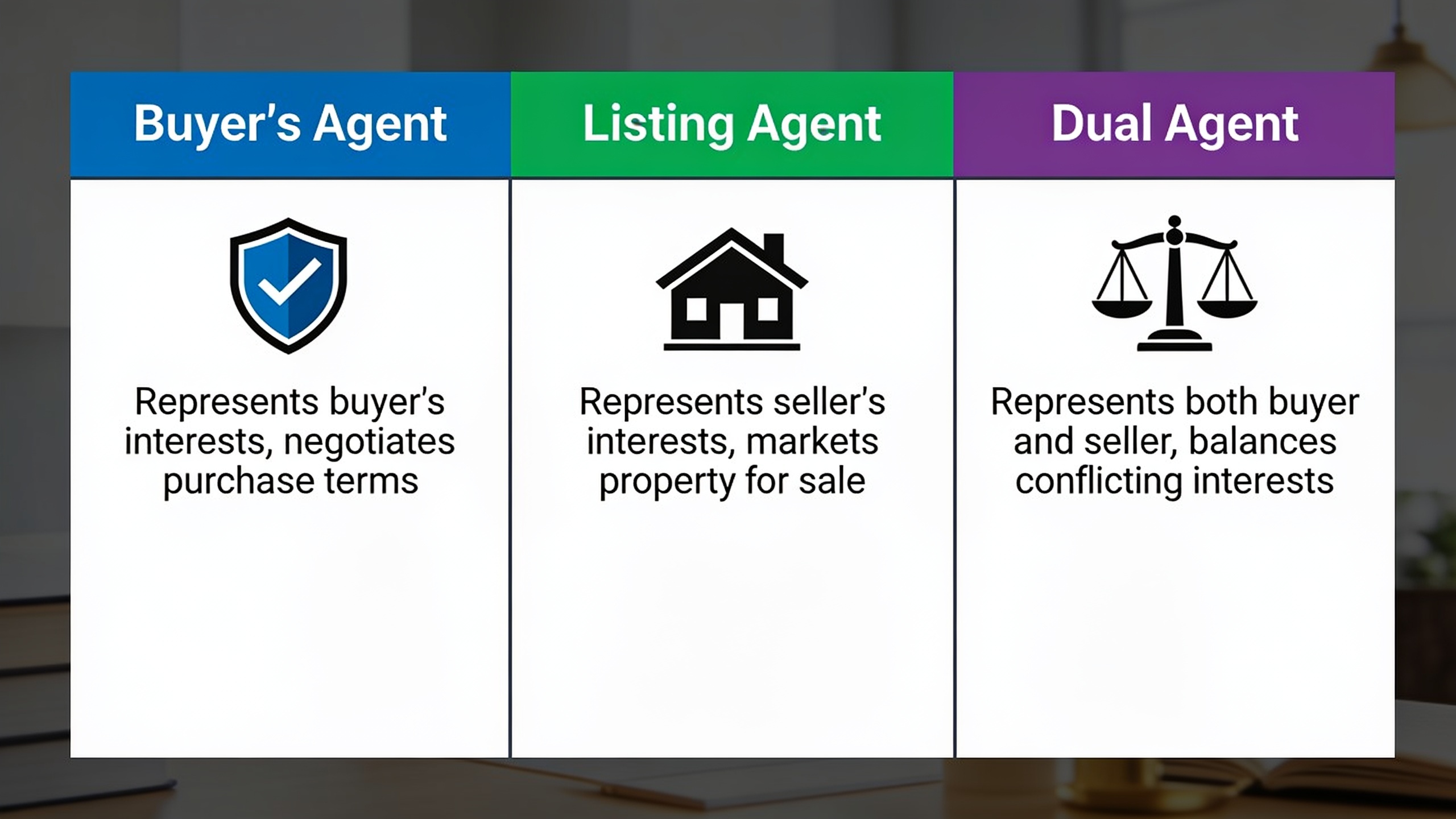
- Buyer’s Agent vs. Listing Agent vs. Dual Agency
- What Does an Agent Actually Cost You?
- Matching the Agent to Your Actual Life
- Frequently Asked Questions
Why This Decision Matters More Than You’d Guess
Your agent is basically your negotiator, your market analyst, your scheduler, and your problem-solver all rolled into one, and a mismatch in any one of those roles will cost you time and money. That’s the short version. The National Association of Realtors’ 2023 Profile of Home Buyers and Sellers found that 89% of home buyers purchased through an agent or broker. But here’s the kicker: buyer satisfaction with those agents swings wildly, and it tracks with communication and responsiveness way more than with raw years of experience.
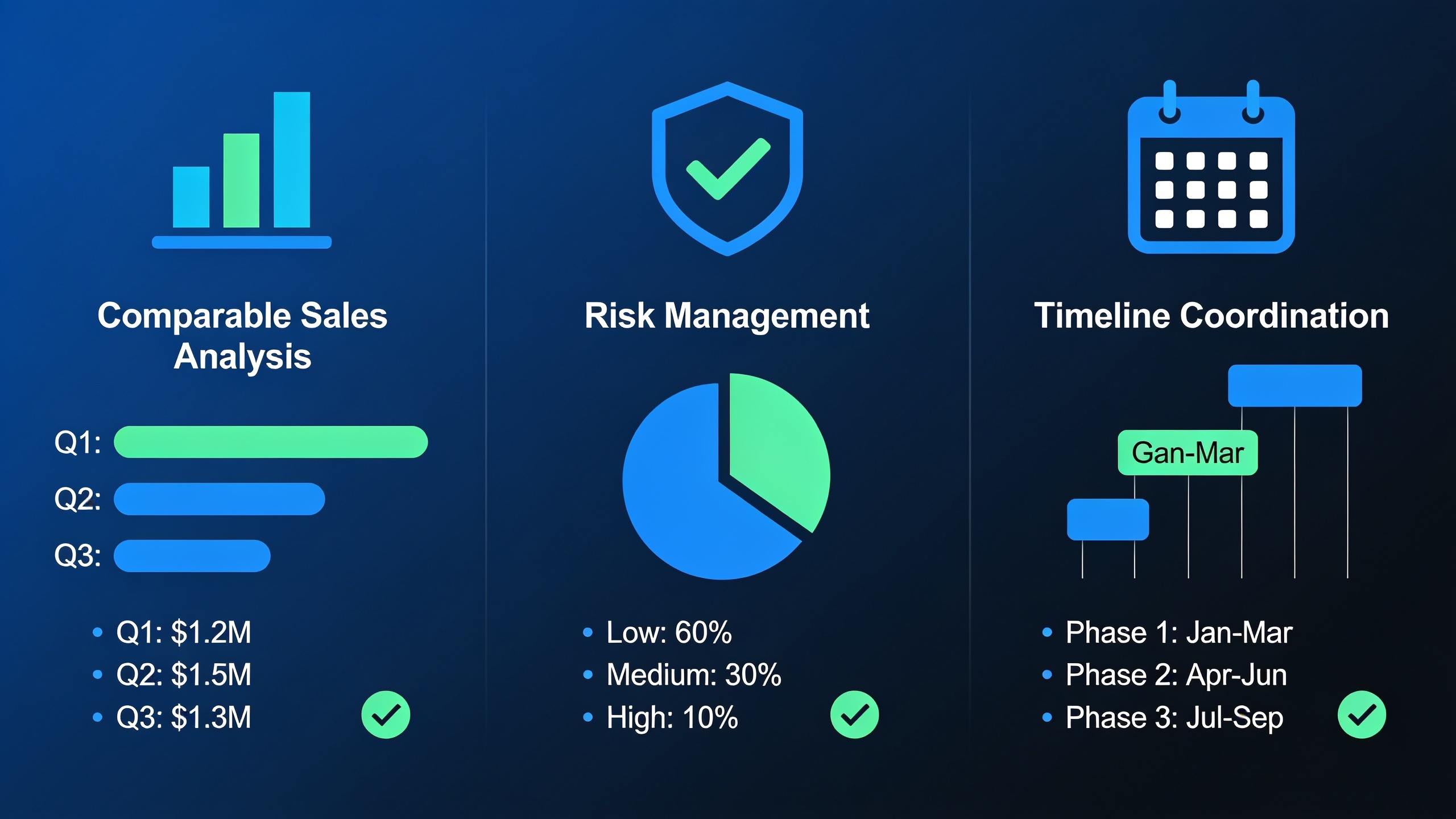
An agent isn’t just the person who jangles keys at showings. They read comparable sales data, call out overpriced listings, wrangle inspections, and keep track of the dozens of little deadlines buried in a purchase contract. When you compare agents, what you’re really comparing is how well each one manages risk on your behalf during the biggest financial move most people ever make.
Which is why spending a few extra days interviewing people upfront almost always beats signing with the first person who calls you back. I know it feels tedious. Do it anyway.
How to Pick a Realtor: The Stuff You Have to Verify
Before you get anywhere near “do I like this person,” you need three baseline things confirmed: an active license in good standing, real transaction experience in your target area, and no unresolved disciplinary complaints. These aren’t negotiable. Personality fit comes later.
Licensing and Credentials
Every state runs a public database where you can check an agent’s license status, expiration date, and any disciplinary history. Takes about five minutes. And yet tons of buyers skip it entirely because they assume anyone with a profile on a big listing site has already been vetted. They haven’t. Not really.
Beyond the basic license, some designations tell you an agent bothered to get specialized training. Accredited Buyer’s Representative (ABR) for buyer-focused folks. Seniors Real Estate Specialist (SRES) for retirees and downsizers. And Certified Residential Specialist (CRS), which the Residential Real Estate Council reports fewer than 4% of Realtors nationwide actually hold, mostly because the experience and education bar is genuinely tough to clear. If someone has that one, it means something.
Track Record and Transaction Volume
Just ask them straight up: how many deals did you close in the last 12 months, in what price range, in which neighborhoods? An agent who closed 40 deals in one suburban zip code is a completely different animal than one who closed 5 scattered across an entire metro. Volume by itself isn’t the whole story, but a steady pattern of closings in your price band and property type tells you they get the pricing quirks that’ll actually affect you.
If you’re weighing a few candidates, it helps to browse listings side by side before you sit down with anyone. A platform like Vivienda Lista lets you see what’s actually on the market in your target area first, so you walk in asking sharper questions instead of nodding along to whatever they tell you.
How Much Local Knowledge Should They Actually Have?
Your agent should be able to talk specifics: inventory levels, average days on market, price trends in the exact neighborhoods you care about. Not vague citywide averages. If you ask “how’s the market in this particular zip code” and get a fuzzy, generic answer, that’s your tell. They haven’t worked that pocket recently.
Real local knowledge is being able to explain why one block runs a 10% premium over another one three streets away. Which school district lines quietly affect resale. Which zoning change or new transit line is about to shift demand. A genuinely plugged-in agent can rattle off, without googling, roughly what a three-bedroom in a specific neighborhood sold for last month, and why it went above or below asking. That kind of granular feel only comes from working a concentrated area over and over, not from spreading yourself across half the county.
Testing it is easy. Ask them to walk you through recent comps for something similar to what you want, and watch how fast and how confidently they answer. And do some homework yourself in parallel. Learning how to use Vivienda Lista search filters effectively lets you filter by price drops, days on market, and neighborhood boundaries, so you can check whether an agent’s read actually lines up with the data. Investors especially should do this cross-check. If rental yield and appreciation are part of your math, the strategies in how real estate investors use data to pick profitable markets are worth a read before your first interview, just so you know which numbers to press them on.
Reading the Communication Style Before You Commit
The best way to gauge how an agent communicates is to watch how they handle your very first call or email, before you’ve signed anything. That early behavior is the most honest preview you’ll get. Response time, tone, follow-through during the courting phase? It rarely improves once you’re under contract. If anything, agents get busier, not more attentive.
Some buyers want texts and quick voice memos all day. Others want one tidy email summary each evening. Neither’s wrong. But mismatched expectations turn ugly fast. So ask early how they prefer to communicate and how quickly they usually reply, then actually test it over the next week. If they promise a few-hour turnaround and then leave a simple question hanging for three days? That’s real data. Believe it, because that’s exactly how it’ll go when you’re racing to submit a competitive offer.
Worth noticing, too, how they show up online, because that usually mirrors how organized the whole operation is. Agents who invest in a clean, well-structured web presence, the kind of thing firms like Digital Fusion Hub build through website design and digital marketing for service businesses, tend to run tighter transactions overall. Same attention to detail that goes into their branding usually carries into their follow-up emails and document tracking. Not a guarantee, but a decent signal.
Questions Worth Asking Every Candidate
This whole thing gets a lot easier once you’ve got a short, consistent list of questions for everybody, so you’re comparing apples to apples instead of going on vibes. Draw these up before your first meeting.
How many buyers are you repping right now, and how do you balance my search against theirs? (That tells you whether you’ll get squeezed out during busy stretches.) What’s your typical timeline from first showing to closed sale? Walk me through a recent deal that fell apart and how you handled it. Listen hard here for accountability versus blame-shifting. How do you structure your fee, and is any of it negotiable? And can you give me references from clients who bought in the last six months, specifically, not just old testimonials from 2019?
It’s a bit like how students prepping for big exams lean on structured resources like Quiethelpgcse so they walk into test day with a plan instead of winging it. Same energy. Show up to an agent interview prepared and you signal that you’re a serious, organized client, which tends to earn you more serious, organized service back.
Warning Signs You Shouldn’t Ignore
The clearest red flags are pressure to decide fast, mushy answers about pricing strategy, and refusing to hand over recent client references. Any one alone might have an innocent explanation. Two or more together? That usually points to something bigger.
Be wary of anyone pushing you to write an offer before you’ve seen enough comps to know if the price is even fair. Same with someone who can’t clearly explain how they landed on a suggested price using actual recent sales instead of gut feel. Dual agency, where one agent represents both you and the seller, deserves real scrutiny too. It’s legal in most states with proper disclosure, sure, but it builds in a conflict of interest, and a genuinely buyer-focused agent will talk about that openly rather than wave it off.
Oh, and one more. An agent who trash-talks every other agent and brokerage in town instead of explaining their own value? That’s almost always someone papering over a thin track record.
Buyer’s Agent vs. Listing Agent vs. Dual Agency
Different deals call for different roles, and knowing who’s actually working for you at each stage matters more than people think.
| Agent Type | Who They Represent | Typical Fee Structure | Best For |
|---|---|---|---|
| Buyer’s Agent | The home buyer exclusively | Usually 2-3% of sale price, often paid by seller in commission split | First-time buyers, investors comparing multiple properties, anyone wanting undivided loyalty |
| Listing Agent | The home seller exclusively | Typically 2.5-3% of sale price | Sellers marketing a property; buyers should be cautious if this is their only point of contact |
| Dual Agent | Both buyer and seller in the same transaction | Often a single combined commission split between both sides | Simple, low-conflict transactions with full written disclosure; not ideal for complex negotiations |
For most buyers, especially anyone hunting in a competitive city market or sizing up rentals as an investor, a dedicated buyer’s agent gives you the cleanest advocacy. Their fiduciary duty runs to you and only you. Nothing split, nothing ambiguous.
What Does an Agent Actually Cost You?
In most U.S. markets, buyers don’t pay their agent’s commission directly. The seller pays a total commission, historically somewhere around 5-6% of the sale price, that gets split between the listing agent and the buyer’s agent. That’s the traditional setup, anyway.
But it’s been shifting. Following the National Association of Realtors’ 2024 settlement, which changed how buyer-agent commissions get disclosed and negotiated, more buyers are now being asked to sign written agreements spelling out exactly how their agent gets paid before they tour a single home.
Which makes the upfront questions more important than ever. Who pays your commission? Is the fee negotiable? What happens if the seller isn’t offering buyer-agent compensation at all? Some agents now do flat fees or hourly consulting for specific tasks, like contract review only, which can suit experienced investors who don’t need much hand-holding. Whatever the arrangement, get it in writing before you tour anything. You do not want surprises at the closing table.
Matching the Agent to Your Actual Life
The “right” agent looks totally different depending on whether you’re buying your first condo, chasing a rental, relocating a family, or downsizing for retirement. Match their specialty to your goals instead of just defaulting to whoever has the most listings plastered everywhere.
First-time buyers, usually late twenties into their thirties, hunting for urban condos or starter homes, generally do best with someone who knows FHA and conventional low-down-payment loans cold. Financing complexity is often the real hurdle at this stage, not finding the house. Ask how many first-time deals they closed last year and whether they’ve got a lender they actually trust and work with regularly.
Investors, roughly 30 to 50, looking for rental properties, need an agent who talks cap rates, rent comps, and local landlord-tenant rules, not just retail resale value. Ask flat out whether they’ve closed multi-unit or investment deals recently and whether they can pull rental comps as fast as sale comps. Pair that with your own research, like the data-driven analysis in the investor guide I linked earlier, and you’ve got a second layer of confidence before you commit capital.
Families after bigger suburban homes in good school districts should lean toward agents who genuinely know the boundary lines, the commute patterns, and neighborhood-level resale trends. That stuff weighs heavily on how happy you’ll be in five years, and on what you’ll get when you eventually sell. Ask how many relocations they’ve handled and whether they can talk school ratings without pulling out their phone to look them up.
Retirees downsizing or buying a vacation place often do well with an SRES-designated agent (that credential I mentioned earlier). They get specific training on things like timing a sale around retirement income, juggling a simultaneous sale-and-purchase, and navigating those 55-and-over community rules that just don’t come up in a normal residential deal.
Across every one of these, agents who market themselves well online, with clean content and consistent local SEO, are simply easier to research and vet before you even dial. Some brokerages and solo agents now use AI-assisted content tools like RobinRank to keep their neighborhood guides and market blogs current, which quietly helps you, the buyer. More accurate, frequently updated info out there means you show up better informed.
Frequently Asked Questions
How many agents should I actually interview before picking one?
Two or three is the sweet spot for most buyers. That gives you enough of a baseline to notice real differences in market knowledge, communication, and fees without dragging things out for weeks. And even if the first person you meet nails all three, I’d still have a second conversation just to confirm your read before you sign a buyer representation agreement.
Is it rude to switch agents in the middle of a search?
Nope, not rude at all, but handle it directly and in writing. If you signed a buyer’s agency agreement, check the termination clause first, since a lot of them specify a notice period or exclusivity window. A short, professional email saying your needs have changed usually does the trick, and most reputable brokerages will let you go without drama if it’s genuinely not working.
Can I just pick an agent based on their reviews?
Reviews are a fine starting filter, but don’t make them your only test. Review volume often says more about how aggressively an agent hounds clients for feedback than about actual service. Cross-check with direct references from people who closed in the last six months, and honestly, pay more attention to how an agent responds to negative reviews than to the star rating itself.
Does the agent’s commission come out of my down payment?
No. In most deals, commissions get paid out of the sale proceeds at closing, so the money comes from the transaction itself, not from your down payment. That said, after the recent industry changes, some buyers may now be asked to cover part of their agent’s fee directly if the seller isn’t offering buyer-agent compensation. So nail this down in your written agreement before you tour homes.
What’s the actual difference between a real estate agent and a Realtor?
A real estate agent is anyone licensed by their state to handle property transactions. A Realtor is a licensed agent who’s also an active member of the National Association of Realtors and has signed on to its Code of Ethics. Not every agent is a Realtor. So if ethical accountability and access to dispute-resolution resources matter to you, confirm NAR membership specifically during the interview.
Really, finding the right agent boils down to matching verified qualifications with a communication style you can actually stand for however many weeks or months your search runs, and testing both against real conversations instead of a slick bio page. Take the interviews seriously. Ask the blunt questions. Verify the license yourself. And lean on the tools out there, from curated listing platforms to neighborhood-level data, so you walk into every conversation as a partner who knows the score rather than someone waiting to be led around by the nose.
Leave a Reply